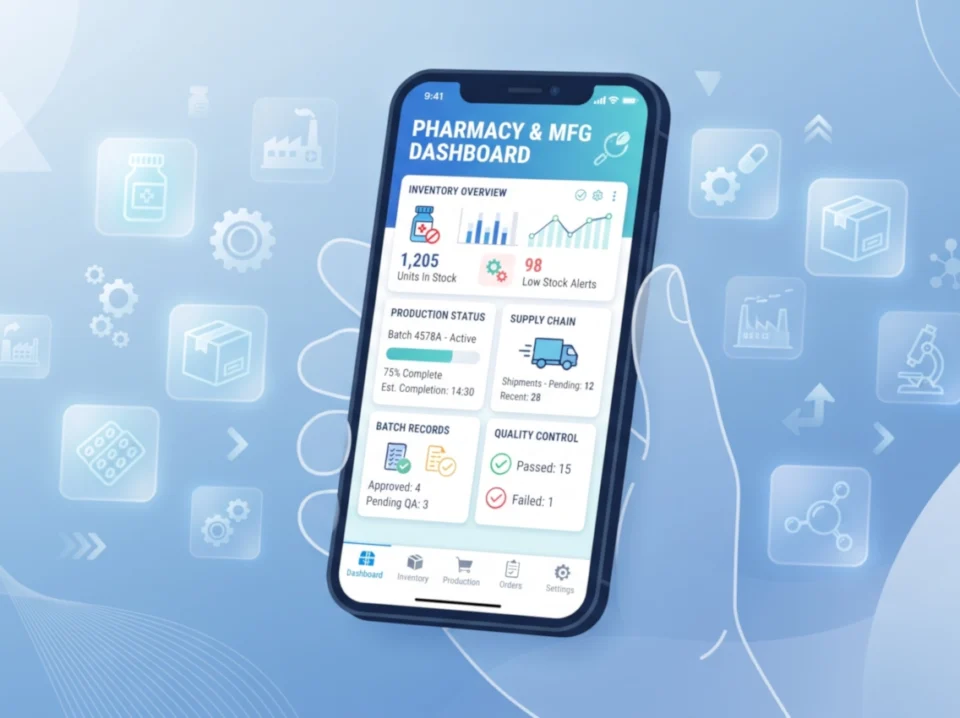



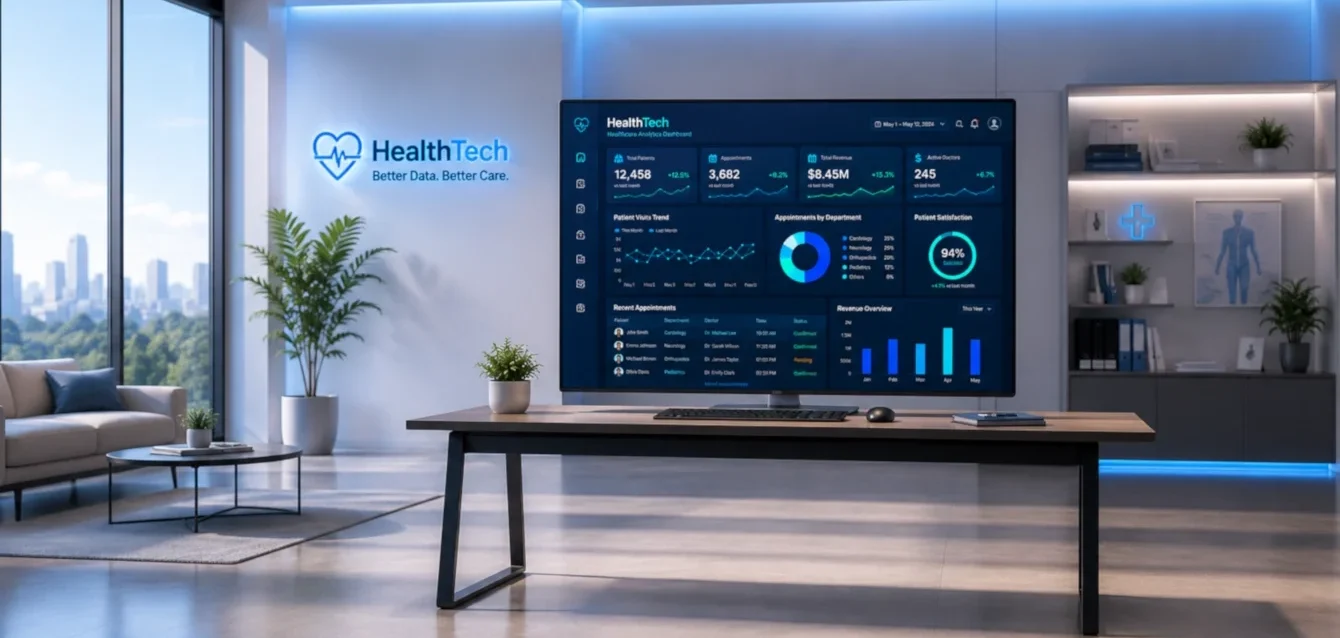
The healthcare industry is rapidly evolving, with increasing pressure to deliver high-quality patient care while maintaining operational efficiency. Hospitals, clinics, and healthcare providers generate massive amounts of data every day—from patient records and treatment outcomes to resource utilization and staff performance. Managing this data effectively is critical, and this is where healthcare dashboards play a vital role.
Healthcare dashboards provide a centralized, real-time view of key metrics, enabling professionals to make informed decisions quickly. By transforming complex data into clear visual insights, these dashboards help improve patient outcomes, streamline operations, and enhance overall healthcare delivery.
As healthcare systems continue to adopt digital solutions, data-driven dashboards are becoming essential tools for modern, efficient, and patient-centered care.
The Growing Role of Data in Healthcare
Healthcare is no longer just about clinical expertise—it is also about leveraging data to improve outcomes. From tracking patient recovery rates to managing hospital resources, data plays a crucial role in every aspect of healthcare.
Without proper data visualization, healthcare organizations often face:
- Inefficient resource allocation
- Delays in decision-making
- Limited visibility into patient outcomes
- Increased operational costs
Healthcare dashboards address these challenges by providing actionable insights in real time. By using healthcare analytics, organizations can identify trends, monitor performance, and make proactive decisions that improve both clinical and operational results.
This shift toward data-driven healthcare is transforming how providers deliver care and manage their systems.
What Are Healthcare Dashboards?
Healthcare dashboards are interactive data visualization tools designed to display critical healthcare metrics in a clear and accessible format. They integrate data from multiple systems such as electronic health records (EHR), hospital management systems, and financial platforms.
These dashboards typically include:
- Patient outcomes and recovery rates
- Clinical performance indicators
- Hospital occupancy and resource utilization
- Staff productivity and scheduling
- Financial and operational metrics
Custom healthcare dashboards are tailored to the specific needs of healthcare providers, ensuring that the most relevant data is always available for decision-making.
Key Benefits of Healthcare Dashboards
Improved Patient Care
One of the most important benefits of healthcare dashboards is their impact on patient care. By providing real-time access to patient data and clinical metrics, healthcare professionals can make faster and more accurate decisions.
This leads to:
- Better diagnosis and treatment planning
- Reduced medical errors
- Improved patient outcomes
With clear insights into patient health trends, providers can deliver more personalized and effective care.
Enhanced Operational Efficiency
Healthcare organizations must manage resources efficiently to maintain high standards of care. Healthcare dashboards provide visibility into resource utilization, helping administrators optimize workflows.
This includes:
- Managing hospital beds and occupancy rates
- Monitoring equipment usage
- Allocating staff effectively
By improving operational efficiency, dashboards help reduce costs and enhance service quality.
Real-Time Monitoring and Alerts
Timely information is critical in healthcare. Dashboards offer real-time monitoring of key metrics and can generate alerts when issues arise.
For example, healthcare dashboards can notify staff about:
- Sudden changes in patient conditions
- Resource shortages
- Performance deviations
This enables quick responses and prevents potential complications.
Data-Driven Decision-Making
Healthcare dashboards eliminate guesswork by providing accurate, up-to-date information. Decision-makers can rely on data to plan strategies, allocate resources, and improve processes.
This leads to more effective management and better overall outcomes.
Custom Dashboards for Different Healthcare Roles
Dashboards for Clinicians
Clinicians require detailed patient data to provide effective treatment. Dashboards designed for them include:
- Patient history and records
- Treatment progress
- Clinical outcomes
These insights help doctors and nurses make informed decisions and deliver high-quality care.
Dashboards for Hospital Administrators
Administrators focus on operational efficiency and resource management. Their dashboards typically include:
- Staff performance
- Resource utilization
- Financial metrics
This allows them to optimize operations and ensure smooth functioning of healthcare facilities.
Dashboards for Executives
Executives need a high-level overview of organizational performance. Their dashboards highlight:
- Key performance indicators (KPIs)
- Financial performance
- Strategic insights
This enables leadership teams to make data-driven decisions that align with long-term goals.
Essential Features of Effective Healthcare Dashboards
Data Integration
A powerful healthcare dashboard integrates data from multiple systems, ensuring a comprehensive view of operations and patient care. This reduces data silos and improves accuracy.
Customization
Every healthcare organization has unique needs. Custom dashboards allow users to focus on relevant metrics, making the tool more effective and user-friendly.
User-Friendly Design
Healthcare professionals need quick access to information. Dashboards should present data in a clear and intuitive format, enabling easy interpretation and action.
Predictive Analytics
Advanced healthcare dashboards use predictive analytics to forecast patient trends and potential risks. This helps providers take preventive measures and improve outcomes.
How Healthcare Dashboards Improve Outcomes
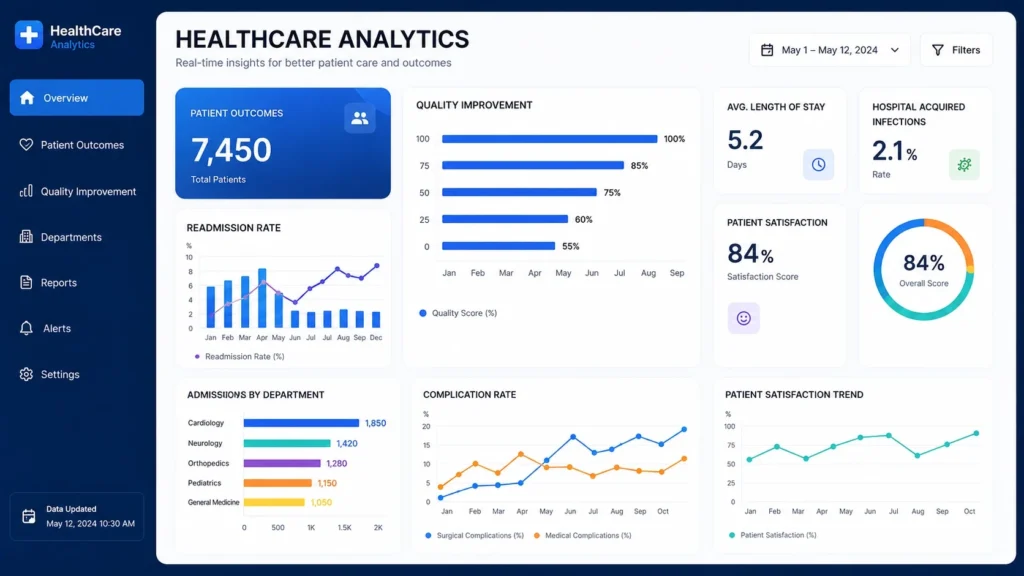
Healthcare dashboards play a crucial role in improving both clinical and operational outcomes. By providing real-time insights and actionable data, they help organizations:
- Enhance patient care quality
- Reduce operational inefficiencies
- Improve resource management
- Support strategic decision-making
For example, tracking patient recovery rates can help identify effective treatments, while monitoring resource usage ensures optimal allocation.
Over time, these improvements lead to better patient satisfaction, reduced costs, and stronger healthcare systems.
Implementing Healthcare Dashboards
Implementing healthcare dashboards requires careful planning. The first step is identifying key performance indicators (KPIs) that align with organizational goals.
Next steps include:
- Integrating data from relevant systems
- Designing dashboards tailored to user roles
- Ensuring data accuracy and compliance
- Training staff to use the dashboards effectively
Partnering with experienced professionals can help ensure successful implementation and maximize the benefits of the dashboard.
The Future of Healthcare Analytics
The future of healthcare lies in advanced analytics and digital transformation. Healthcare dashboards will continue to evolve with new technologies such as:
- Artificial intelligence for predictive insights
- Automated reporting systems
- Integration with wearable health devices
- Enhanced data visualization tools
These innovations will further improve the ability of healthcare providers to deliver efficient and high-quality care.
Conclusion
In an industry where precision, speed, and quality are critical, healthcare dashboards have become indispensable tools. They provide real-time insights into patient care and operational performance, enabling healthcare professionals to make informed decisions.
By adopting data-driven dashboards, healthcare organizations can improve patient outcomes, enhance efficiency, and stay competitive in an evolving landscape. As technology continues to advance, leveraging healthcare analytics will be essential for delivering better care and achieving long-term success.
FAQ Section
What are healthcare dashboards used for?
Healthcare dashboards are used to monitor patient outcomes, track clinical performance, manage resources, and analyze operational efficiency in real time.
How do healthcare dashboards improve patient care?
They provide real-time access to patient data and clinical insights, enabling faster and more accurate decision-making.
Can healthcare dashboards be customized?
Yes, healthcare dashboards can be tailored to meet the specific needs of different roles, such as clinicians, administrators, and executives.
Are healthcare dashboards secure?
Yes, when properly implemented, healthcare dashboards follow strict data security and compliance standards to protect sensitive patient information.
What features should a good healthcare dashboard include?
A good healthcare dashboard should include data integration, real-time updates, user-friendly design, customization options, and predictive analytics.