



Mobile technology has become a critical part of how organisations operate, communicate, and deliver services. Businesses across Australia are investing in mobile applications to improve customer experiences, streamline internal processes, and create new revenue opportunities. Whether it is a healthcare provider managing patient interactions, a logistics company tracking deliveries, or a retail business improving customer engagement, mobile applications have become essential tools for growth.
Working with a trusted Mobile App Development Company in Australia allows organisations to build tailored solutions that address industry-specific challenges while supporting long-term business objectives. Modern mobile applications are no longer limited to customer-facing platforms. They also play an important role in business automation, workflow management, data collection, and operational efficiency.
Why Mobile Applications Matter Across Industries
Customer expectations continue to evolve. People expect instant access to information, seamless communication, and convenient digital experiences. Mobile applications help businesses meet these expectations while creating stronger relationships with customers and stakeholders.
At the same time, organisations are increasingly focused on improving productivity and reducing manual processes. Mobile applications support these goals by enabling real-time access to data, automating workflows, and improving collaboration across teams.
As a result, businesses across multiple industries are using mobile technology to improve service delivery, increase efficiency, and gain a competitive advantage.
Mobile Apps in Healthcare
Improving Patient Engagement
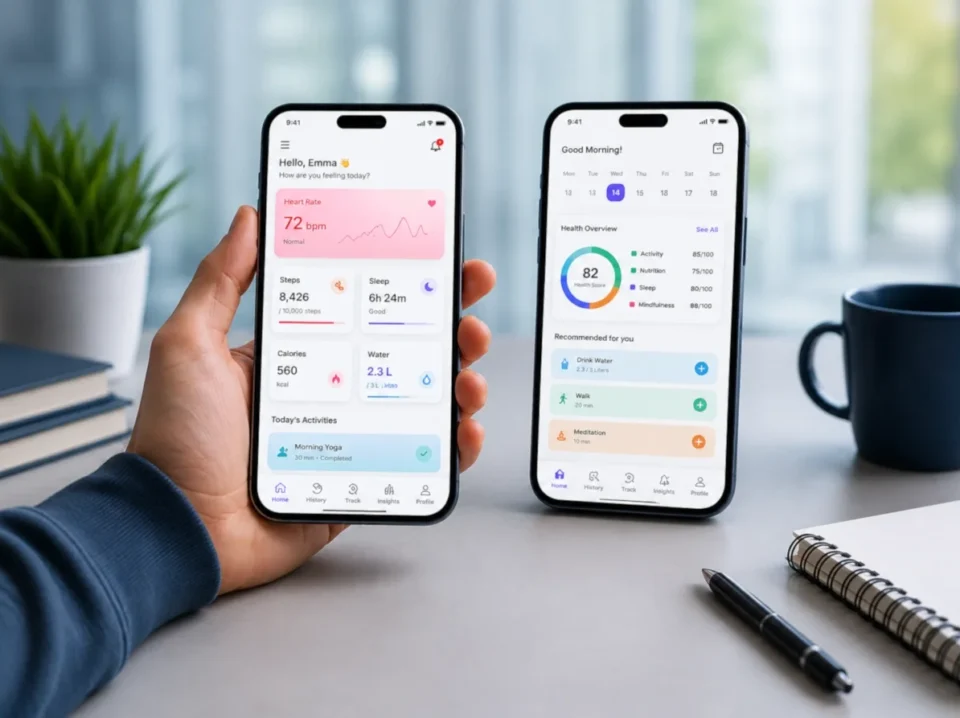
Healthcare organisations are using mobile applications to create stronger connections with patients. Mobile apps provide convenient access to appointments, medical records, treatment plans, and communication tools.
Patients can schedule appointments, receive medication reminders, and access healthcare information directly from their smartphones. This improves patient engagement while reducing administrative workload for healthcare providers.
Remote Patient Monitoring
Healthcare app development has become particularly important in remote patient monitoring. Connected devices and mobile applications allow healthcare professionals to monitor patient health in real time.
Data collected from wearable devices can be securely transmitted to healthcare systems, enabling doctors to identify potential issues early and make informed clinical decisions. This improves patient outcomes while reducing the need for unnecessary hospital visits.
Secure Medical Data Management
Mobile healthcare applications also support secure data collection and management. Integrated systems enable healthcare providers to access patient information quickly while maintaining compliance with healthcare regulations and privacy standards.
Mobile Apps in Logistics and Transportation
Real-Time Fleet Tracking
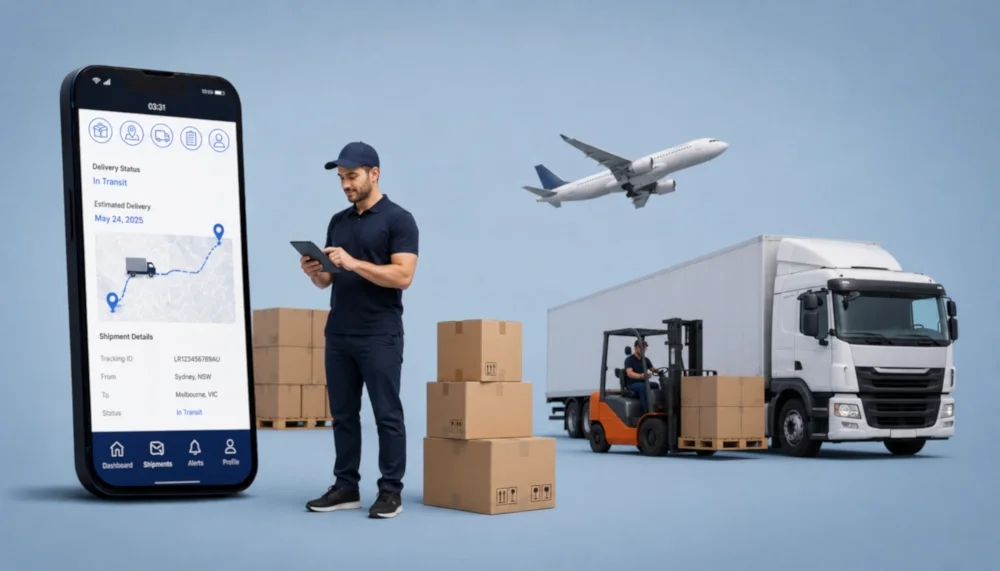
Logistics companies rely on accurate and timely information to manage operations efficiently. Mobile applications provide real-time visibility into vehicle locations, delivery status, and driver performance.
Managers can monitor operations through centralised dashboards while drivers receive route updates and delivery instructions directly through mobile devices.
Workflow Automation
Mobile technology plays a major role in business automation within logistics operations. Delivery confirmations, inventory updates, and shipment tracking can be automated, reducing manual administration and improving operational accuracy.
Workflow automation helps logistics businesses minimise delays, reduce errors, and improve customer satisfaction.
Enhanced Customer Experience
Customers increasingly expect transparency throughout the delivery process. Mobile applications provide real-time tracking information, delivery notifications, and communication channels that improve the overall customer experience.
Mobile Apps in Retail
Personalised Shopping Experiences
Retail businesses are using mobile applications to deliver personalised experiences based on customer preferences and purchasing behaviour.
Features such as product recommendations, loyalty programs, personalised promotions, and mobile payments encourage customer engagement and repeat purchases.
Omnichannel Customer Engagement
Modern consumers interact with brands through multiple channels. Mobile applications help retailers create seamless experiences across physical stores, websites, and digital platforms.
Customers can browse products, check inventory availability, place orders, and receive updates through a single mobile application.
Data-Driven Decision Making
Retail mobile applications generate valuable customer insights. Businesses can analyse purchasing patterns, customer preferences, and engagement metrics to make informed marketing and operational decisions.
This combination of mobile technology and data analytics helps retailers optimise performance and improve profitability.
Mobile Apps in Professional Services
Streamlined Client Communication
Professional service providers such as consultants, accountants, legal firms, and financial advisors are increasingly using mobile applications to improve client interactions.
Clients can securely access documents, schedule appointments, receive updates, and communicate directly with service providers through dedicated applications.
Improved Productivity
Mobile applications help professional service firms automate administrative tasks, manage workflows, and improve collaboration between teams.
Business automation reduces repetitive manual work and allows professionals to focus on delivering higher-value services to clients.
Secure Information Management
Professional services often involve sensitive client information. Mobile applications can be developed with advanced security features, including encrypted communication, secure authentication, and controlled access permissions.
The Role of Business Automation in Mobile Applications
Modern mobile applications are no longer standalone tools. They are increasingly integrated with broader business systems to support automation and operational efficiency.
Business automation enables organisations to automate repetitive tasks, streamline approvals, improve communication, and reduce manual errors. Mobile applications act as the interface that allows users to access automated workflows from anywhere.
This combination of mobility and automation creates significant operational advantages across industries.
Choosing the Right Mobile App Development Partner
Selecting the right Mobile App Development Company in Australia is essential for achieving successful outcomes. Organisations should look for development partners with experience across multiple industries, strong technical expertise, and a clear understanding of business objectives.
A successful development partner focuses not only on technology but also on user experience, security, scalability, and long-term business value.
Custom mobile applications should be designed to integrate with existing systems, support future growth, and adapt to changing business requirements.
Conclusion
Mobile applications are transforming how organisations operate across healthcare, logistics, retail, and professional services. From improving customer experiences and enabling business automation to supporting real-time decision-making and workflow optimisation, mobile technology continues to deliver measurable business value.
As digital transformation accelerates across Australia, organisations that invest in innovative mobile solutions will be better positioned to improve efficiency, strengthen customer relationships, and achieve sustainable growth. Partnering with an experienced Mobile App Development Company in Australia provides the expertise needed to develop scalable, secure, and future-ready applications that support long-term success.
Frequently Asked Questions
Why are mobile applications important for businesses?
Mobile applications improve customer engagement, streamline operations, support automation, and provide convenient access to services and information.
How do mobile apps support business automation?
Mobile applications integrate with business systems to automate workflows, reduce manual tasks, improve communication, and increase operational efficiency.
What industries benefit most from mobile app development?
Healthcare, logistics, retail, professional services, finance, education, and manufacturing are among the industries gaining significant benefits from mobile technology.
Why work with a Mobile App Development Company in Australia?
A local development partner understands Australian business requirements, compliance standards, customer expectations, and industry-specific challenges.
Can mobile apps integrate with existing business systems?
Yes. Modern mobile applications can integrate with CRM platforms, ERP systems, healthcare systems, inventory software, and other business applications to create connected digital ecosystems.