


Artificial intelligence is no longer a future concept reserved for large technology companies. Businesses across industries are actively exploring AI-powered solutions to improve efficiency, automate operations, and gain a competitive advantage. However, many organisations rush into AI adoption without a clear strategy, often leading to wasted investments, failed projects, and unrealistic expectations.
Successful AI adoption requires more than selecting a technology platform or deploying a machine learning model. It requires a clear understanding of business objectives, data readiness, implementation challenges, and long-term scalability. This is where AI consulting plays a crucial role.
AI consulting helps businesses evaluate opportunities, identify risks, develop implementation strategies, and ensure that artificial intelligence initiatives deliver measurable business value. Before investing in AI technologies, organisations need expert guidance to build a solid foundation for success.
The Growing Demand for Artificial Intelligence in Business
The adoption of artificial intelligence has accelerated significantly in recent years. Businesses are using AI to automate repetitive tasks, improve customer experiences, optimise operations, and analyse large volumes of data more effectively.
From predictive analytics and intelligent automation to customer service chatbots and computer vision systems, AI applications are transforming how organisations operate. Companies that successfully implement AI often achieve faster decision-making, increased productivity, reduced costs, and improved customer satisfaction.
However, despite growing interest, many businesses struggle to move from AI experimentation to successful implementation. This challenge highlights the importance of professional AI consulting services.
What Is AI Consulting?
AI consulting involves helping organisations identify, evaluate, plan, and implement artificial intelligence solutions aligned with their business objectives.
An AI consulting engagement typically includes assessing business challenges, analysing available data, evaluating technical requirements, selecting appropriate AI technologies, and developing an implementation roadmap.
Rather than focusing solely on technology, AI consultants take a strategic approach. They help organisations understand where AI can create value, which use cases should be prioritised, and how AI initiatives can be integrated into existing business processes.
This guidance reduces uncertainty and helps organisations make informed investment decisions.
Why Businesses Often Struggle with AI Implementation
Many organisations view artificial intelligence as a quick solution for operational challenges. In reality, successful implementation requires preparation, planning, and ongoing management.
Lack of a Clear AI Strategy
One of the most common reasons AI projects fail is the absence of a clear strategy. Businesses often invest in AI tools without fully understanding the problem they are trying to solve.
Without defined goals, performance metrics, and implementation plans, AI initiatives can quickly lose direction. AI consulting helps organisations align technology investments with business objectives and measurable outcomes.
Poor Data Quality
Artificial intelligence relies on data. If the underlying data is incomplete, inaccurate, or inconsistent, AI systems will struggle to deliver meaningful results.
Many businesses underestimate the importance of data preparation. AI consultants evaluate data quality, identify gaps, and recommend improvements that support successful AI implementation.
Choosing the Wrong Technology
The AI landscape is constantly evolving, with new platforms, tools, and frameworks emerging regularly. Selecting the wrong technology can increase costs, create integration challenges, and limit future scalability.
AI consulting helps businesses evaluate available options and choose technologies that align with their requirements, budget, and long-term objectives.
Unrealistic Expectations
Artificial intelligence is powerful, but it is not a magic solution. Many organisations expect immediate results without understanding the time, resources, and expertise required.
AI consultants help establish realistic expectations, ensuring stakeholders understand both the opportunities and limitations of AI technologies.
How AI Consulting Reduces Business Risk
Investing in AI without proper planning can introduce significant financial and operational risks. AI consulting helps organisations reduce these risks by providing expert guidance throughout the implementation process.
Business Readiness Assessment
Before deploying AI solutions, organisations need to assess their readiness. This includes evaluating business processes, technology infrastructure, workforce capabilities, and data availability.
AI consultants conduct comprehensive assessments to determine whether the organisation is prepared for AI adoption and identify areas that require improvement.
Data Evaluation and Preparation
Data readiness is one of the most important factors in AI success. Consultants analyse existing data sources, identify quality issues, and recommend strategies for data collection, integration, and governance.
This preparation ensures AI models have access to reliable information that supports accurate predictions and insights.
Technology Selection and Integration
AI consultants help organisations select the most suitable technologies and ensure they integrate effectively with existing systems. This reduces implementation complexity and supports long-term scalability.
Roadmap Development
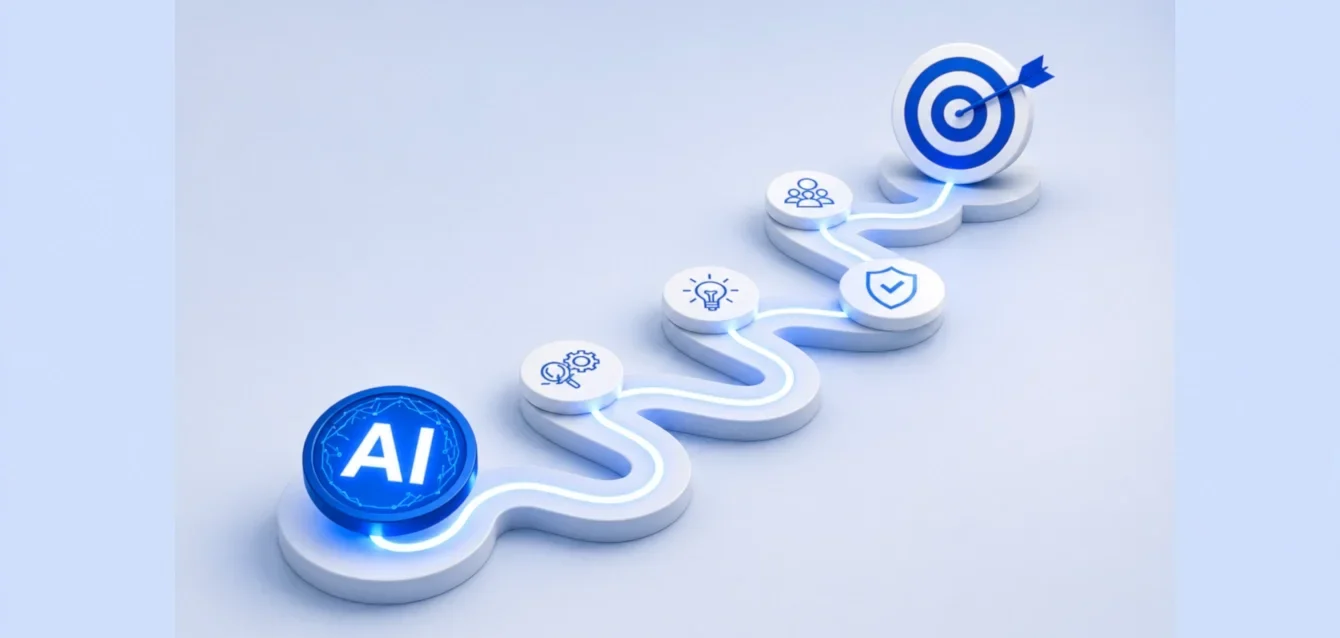
A structured implementation roadmap provides clarity and direction. Consultants define project milestones, resource requirements, timelines, and success metrics, helping businesses manage AI initiatives more effectively.
The Role of AI Consulting in Business Automation
Business automation is one of the most valuable outcomes of AI adoption. Many organisations spend significant time on repetitive tasks that consume resources and limit productivity.
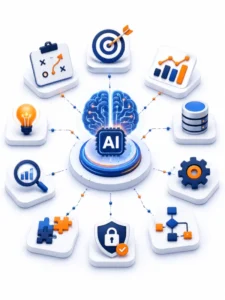
AI-powered automation can streamline workflows, reduce manual effort, and improve operational efficiency. Examples include automated customer support, document processing, fraud detection, demand forecasting, and workflow management.
AI consulting helps businesses identify automation opportunities, prioritise high-value use cases, and implement solutions that generate measurable returns.
By combining AI with workflow automation, organisations can create intelligent systems that continuously improve operational performance.
Industries Benefiting Most from AI Consulting
Healthcare
Healthcare organisations use AI for predictive analytics, patient monitoring, medical imaging, and operational optimisation. AI consulting helps providers implement solutions that improve patient outcomes while maintaining regulatory compliance.
Retail and E-Commerce
Retail businesses use AI to personalise customer experiences, optimise inventory management, forecast demand, and improve marketing performance.
Manufacturing
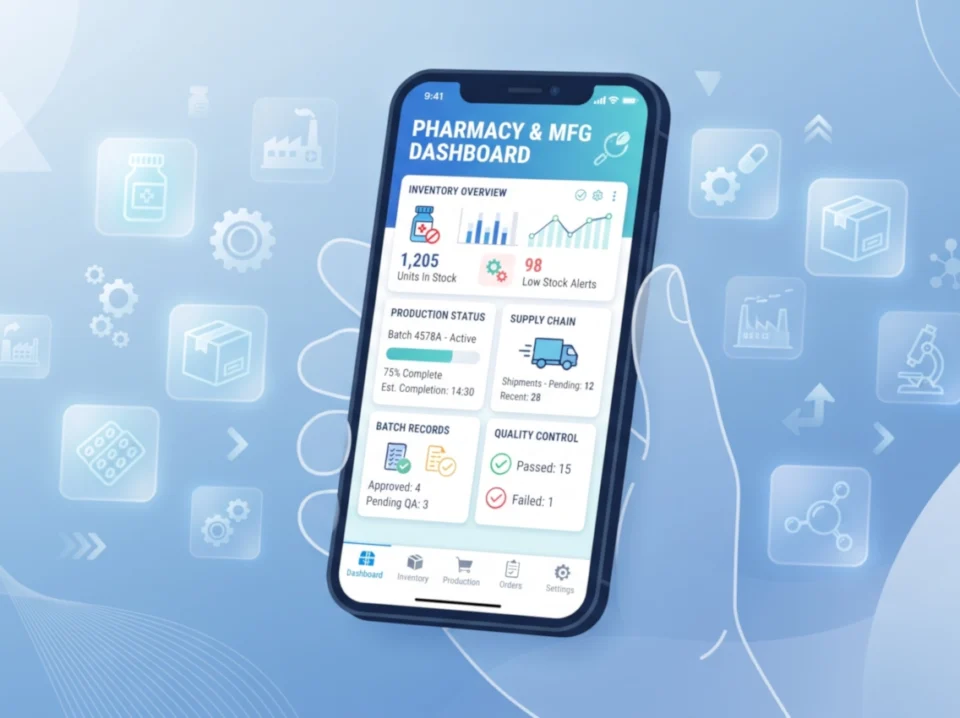
Manufacturers apply AI to predictive maintenance, quality control, supply chain optimisation, and production planning. AI consulting ensures these initiatives align with operational objectives.
Real Estate
Real estate companies use AI to improve property valuation, automate lead qualification, analyse market trends, and enhance customer experiences. AI-powered solutions can help agencies identify high-potential buyers, forecast property demand, and optimise investment decisions. Through AI consulting, businesses can implement the right technologies, integrate data sources, and develop intelligent systems that support more efficient and profitable real estate operations.
Key Benefits of Working with AI Consultants
Organisations that work with experienced AI consultants gain several advantages.
First, they receive strategic guidance that aligns AI investments with business goals. Second, they reduce implementation risks through proper planning and assessment. Third, they gain access to specialised expertise that may not exist internally.
AI consulting also accelerates project timelines, improves decision-making, and increases the likelihood of achieving measurable business outcomes.
Rather than experimenting with multiple technologies, businesses can focus on solutions that deliver the greatest value.
How to Choose the Right AI Consulting Partner
Selecting the right consulting partner is critical to AI success.
Businesses should look for consultants with proven experience, industry knowledge, and a strong understanding of data science and artificial intelligence technologies.
It is also important to evaluate a consulting firm’s ability to understand business objectives rather than focusing solely on technical implementation.
A strong AI consulting partner will provide strategic recommendations, practical implementation guidance, and ongoing support throughout the AI journey.
The Future of AI Adoption
Artificial intelligence will continue to play an increasingly important role in business transformation. Organisations that establish strong foundations today will be better positioned to take advantage of future innovations.
As AI technologies become more sophisticated, businesses will need expert guidance to navigate complex implementation challenges and maximise value from their investments.
AI consulting will remain a critical component of successful digital transformation strategies, helping organisations adopt intelligent technologies with confidence.
Conclusion
Artificial intelligence offers enormous opportunities for businesses seeking to improve efficiency, automate operations, and gain competitive advantages. However, successful implementation requires more than technology alone.
AI consulting provides the expertise, strategy, and guidance necessary to ensure AI initiatives align with business goals and deliver measurable results. From assessing readiness and improving data quality to selecting technologies and managing implementation, consultants play a vital role in reducing risk and accelerating success.
Businesses that invest in AI consulting before implementing artificial intelligence are far more likely to achieve sustainable outcomes and realise the full value of their AI investments.
Frequently Asked Questions
What is AI consulting?
AI consulting helps businesses evaluate, plan, and implement artificial intelligence solutions that align with their strategic objectives and operational requirements.
Why is AI consulting important?
AI consulting reduces implementation risks, improves planning, ensures data readiness, and helps organisations select the right technologies for their needs.
Which industries benefit from AI consulting?
Healthcare, finance, retail, manufacturing, logistics, and professional services are among the industries benefiting most from AI consulting services.
How does AI consulting support business automation?
AI consultants identify automation opportunities, design implementation strategies, and help organisations deploy intelligent systems that improve efficiency and productivity.
When should a business engage an AI consultant?
The best time to engage an AI consultant is before selecting technologies or starting implementation projects. Early guidance helps establish a clear strategy and increases the likelihood of success.