


Construction projects are complex by nature, involving multiple stakeholders, tight deadlines, and strict budget constraints. Managing all these moving parts efficiently requires more than traditional tools and manual reporting. This is where construction dashboards play a transformative role.
Modern construction dashboards provide a centralized platform to monitor project performance, track costs, and manage resources in real time. Instead of relying on fragmented data from spreadsheets and reports, project managers can access accurate, up-to-date insights in a single interface. This shift toward data-driven project management not only improves efficiency but also reduces risks and delays.
As the construction industry continues to evolve, adopting customized dashboards has become essential for companies aiming to deliver projects on time and within budget.
The Growing Importance of Data in Construction
The construction sector has traditionally relied on experience and manual processes. However, increasing project complexity and competition have made data-driven decision-making a necessity.
Without proper data visibility, construction companies often face:
- Budget overruns
- Project delays
- Resource misallocation
- Poor communication between teams
Construction dashboards address these challenges by transforming raw project data into meaningful insights. By leveraging construction analytics and real-time reporting, businesses can make proactive decisions rather than reacting to problems after they occur.
This data-centric approach ensures better planning, improved coordination, and more predictable project outcomes.
What Are Construction Dashboards?
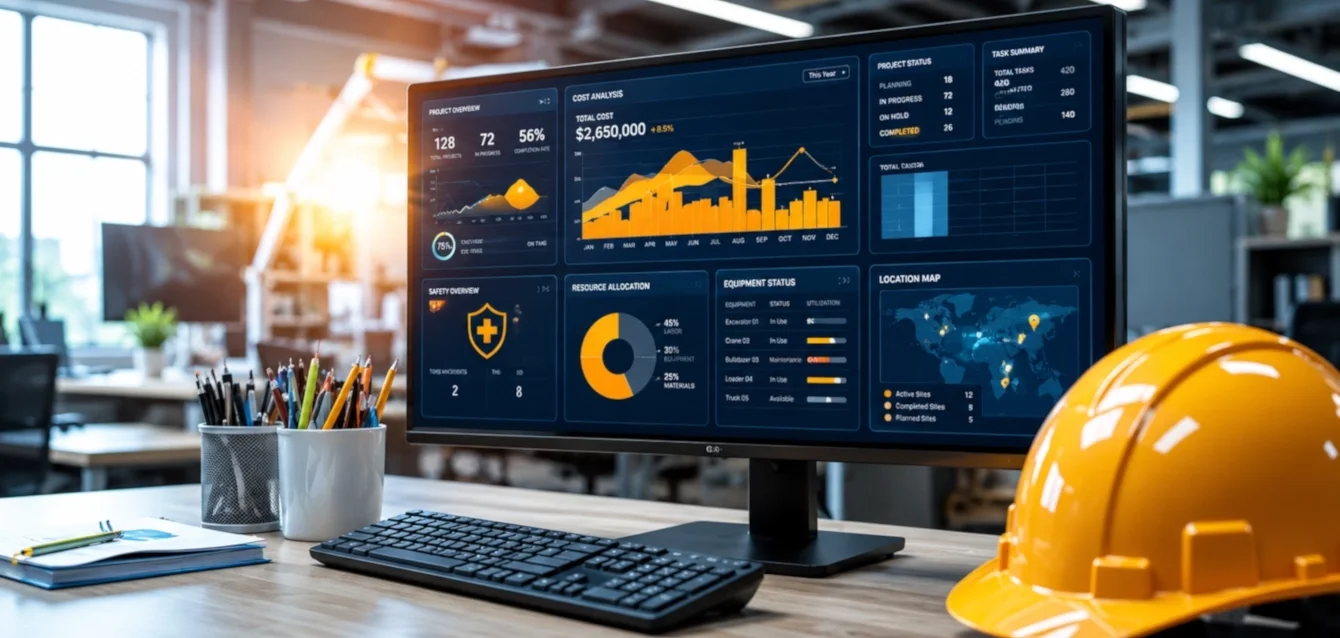
Construction dashboards are interactive visualization tools designed to provide a comprehensive overview of project performance. They integrate data from various sources such as project management systems, financial tools, and on-site reports.
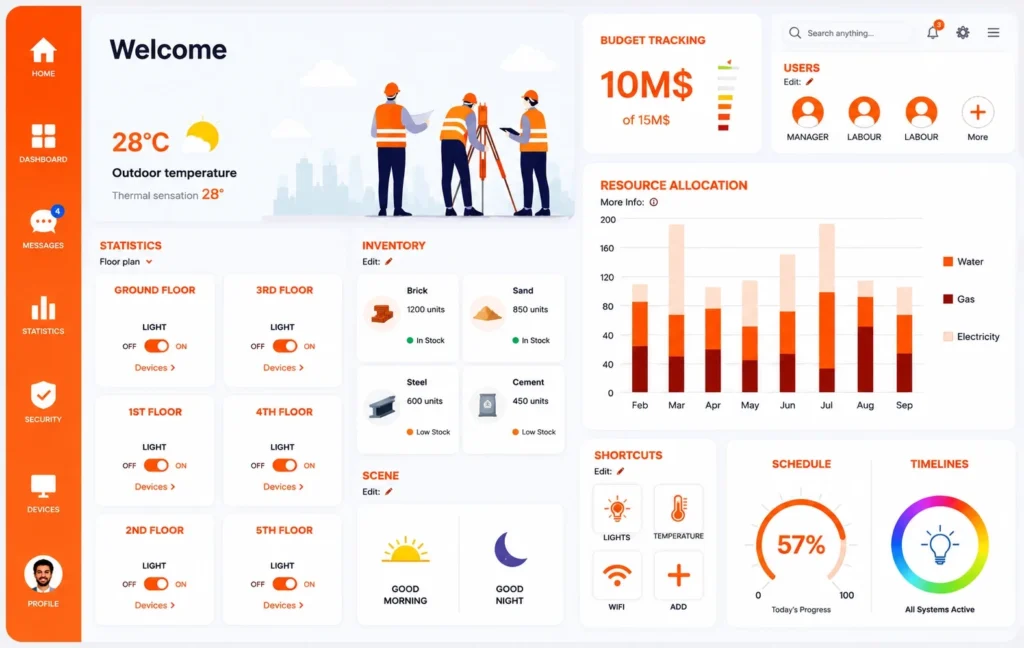
These dashboards typically display:
- Project timelines and milestones
- Budget and cost tracking
- Resource allocation and utilization
- Workforce productivity
- Risk and issue tracking
Unlike generic reporting tools, custom construction dashboards are tailored to the specific needs of a project or organization. This allows teams to focus on the most critical metrics and make informed decisions quickly.
Key Benefits of Construction Dashboards
Real-Time Project Monitoring
One of the most significant advantages of construction dashboards is real-time visibility. Project managers can track progress as it happens, ensuring that any deviations from the plan are identified early.
This immediate access to data allows for quick adjustments, minimizing delays and keeping projects on schedule.
Enhanced Cost Control
Budget management is one of the biggest challenges in construction. With construction dashboards, companies can monitor expenses continuously and compare them against the planned budget.
This enables:
- Early detection of cost overruns
- Better financial planning
- Improved profitability
By having a clear view of financial data, decision-makers can take corrective actions before costs spiral out of control.
Improved Resource Management
Efficient use of resources is critical for project success. Construction dashboards provide insights into how labor, equipment, and materials are being utilized.
This helps in:
- Avoiding resource shortages or excess
- Optimizing workforce allocation
- Reducing idle time and waste
As a result, projects run more smoothly and efficiently.
Better Collaboration and Communication
Construction projects involve multiple teams, including engineers, contractors, and stakeholders. Miscommunication can lead to costly errors and delays.
Construction dashboards act as a single source of truth, ensuring that everyone has access to the same data. This improves transparency and enhances collaboration across teams.
Custom Dashboards for Different Construction Roles
Dashboards for Project Managers
Project managers need a comprehensive view of the entire project. Custom dashboards for this role focus on:
- Timeline tracking
- Budget performance
- Risk management
These insights enable managers to keep projects aligned with objectives and respond quickly to challenges.
Dashboards for Site Engineers
Site engineers require detailed operational data. Dashboards designed for them include:
- Daily progress reports
- Equipment usage
- On-site issues
This helps engineers ensure that work is progressing according to plan.
Dashboards for Executives
Executives and stakeholders need high-level insights rather than detailed operational data. Their dashboards typically highlight:
- Overall project performance
- Financial summaries
- Key performance indicators (KPIs)
This allows leadership teams to make strategic decisions based on accurate data.
Essential Features of Effective Construction Dashboards
Data Integration Across Systems
A powerful construction dashboard integrates data from multiple systems, including project management software, accounting tools, and field reporting apps. This ensures a unified and accurate view of project performance.
Customization for Project Needs
Every construction project is unique. Custom dashboards allow businesses to tailor metrics and visualizations based on project requirements, ensuring relevance and usability.
User-Friendly Design
Construction data can be complex, but dashboards should simplify it. Clear visuals such as charts and graphs make it easier for users to understand information quickly and take action.
Predictive Analytics
Advanced construction dashboards incorporate predictive analytics to forecast potential risks and delays. This helps teams take preventive measures and improve project outcomes.
How Construction Dashboards Drive Project Success
The adoption of construction dashboards leads to measurable improvements in project performance. By providing real-time insights and actionable data, these tools help companies:
- Deliver projects on time
- Stay within budget
- Improve resource efficiency
- Enhance decision-making
For example, tracking project milestones in real time allows managers to identify bottlenecks early and resolve them before they impact deadlines. Similarly, monitoring cost data helps prevent budget overruns and ensures financial stability.
Over time, these benefits contribute to stronger client relationships and increased business growth.
Implementing Custom Construction Dashboards
Successfully implementing construction dashboards requires a structured approach. The first step is identifying key performance indicators (KPIs) that align with project goals.
Once KPIs are defined, businesses should:
- Integrate relevant data sources
- Design dashboards tailored to user roles
- Ensure data accuracy and consistency
- Train teams to use the dashboards effectively
Working with experienced professionals can help streamline this process and ensure that the dashboard delivers maximum value.
The Future of Construction Analytics
The construction industry is rapidly adopting digital technologies, and dashboards are becoming more advanced. Future trends in construction analytics include:
- AI-powered insights for better forecasting
- Automated reporting and alerts
- Integration with IoT devices for real-time site data
- Enhanced visualization techniques
These innovations will further improve the ability of construction companies to manage projects efficiently and reduce risks.
Conclusion
In an industry where precision, timing, and cost control are critical, construction dashboards have become indispensable tools. They provide real-time insights into project performance, enabling better decision-making and improved efficiency.
By adopting custom data dashboards, construction companies can streamline operations, enhance collaboration, and deliver projects successfully. As the industry continues to evolve, leveraging data-driven solutions will be key to staying competitive and achieving long-term success.
FAQ Section
What are construction dashboards used for?
Construction dashboards are used to monitor project performance, track timelines, manage budgets, and analyze resource utilization in real time.
How do construction dashboards improve project efficiency?
They provide real-time insights and data visualization, allowing teams to identify issues early and make informed decisions quickly.
Can construction dashboards be customized for different projects?
Yes, custom dashboards can be tailored to specific project requirements, roles, and key performance indicators.
What features should a good construction dashboard include?
A good dashboard should include real-time data updates, cost tracking, resource management, data integration, and user-friendly visualizations.
Are construction dashboards suitable for small construction companies?
Yes, even small companies can benefit from construction dashboards by improving efficiency, reducing costs, and enhancing project management.